The Porches Pottery Route: Finding the Algarve’s Secret Craft Heritage
The Algarve’s pottery tradition runs deeper than any beach. In small inland villages away from the coast, families have shaped clay into the region’s identity for centuries. From the hand-painted tiles of Porches to the simple terracotta of village markets, the Algarve’s ceramic heritage is still alive — and most visitors never find it.
What Is the Algarve Pottery Route?
The “Rota da Olaria” is not a formal tourist trail. It’s a loose constellation of working potteries and craft villages spread across the Barrocal zone — the limestone hills between the coastal resorts and the mountain interior. These are real, working workshops, not tourist showrooms. Many are on quiet country roads with no signage.
What makes it worth the detour: This is the Algarve that existed before the hotels. The same families have worked the same clay in the same villages for three or four generations. You can watch the wheel turn and buy directly from the workshop floor.
Porches — The Heart of Algarve Pottery
Porches (sometimes called Porches-Velha) sits on the EN125 about 10km inland from Armação de Pêra. This is the Algarve pottery centre.
Porches Pottery (Olaria de Porches): Founded in the 1960s by Patrick Swift and artist Lima de Freitas as a way to preserve traditional Algarve painting and ceramics. Today it’s the region’s most recognized name — hand-painted tiles, bowls, plates, and decorative ceramics. The workshop is open to visitors; the shop sells directly. No reservation needed.
What you’ll see: Hand-painting techniques passed down from generation to generation. The distinctive blue-and-white painted tiles (azulejos) are their signature, but they also produce rustic terracotta for everyday kitchen use.
Practical: Free to visit. Best in weekday mornings when the workshops are quieter. Combine with a drive through the Barrocal countryside. Parking is informal along the road.
Nearby: The village of Alcantarilha has small traditional potteries making simple storage jars and cooking pottery. Ask locally — workshops are often unmarked.
Tunes — The Forgotten Market Town
About 15km northeast of Porches, Tunes is a working Portuguese market town that tourists pass without stopping on their way to Silves. It has a weekly market (Thursday morning) where local potters sell simple terracotta — storage crocks, water pitchers, baking dishes.
Why it matters for the pottery route: Tunes is where ordinary Algarve pottery is still bought and sold by the people who live here. It’s not curated. It’s real.
What to do: Walk the market on Thursday morning (arriving by 9am). Afterwards, walk the few minutes to the pottery workshops on the eastern edge of town — follow the smell of fired clay.
Santa Catarina — Small Village Potters
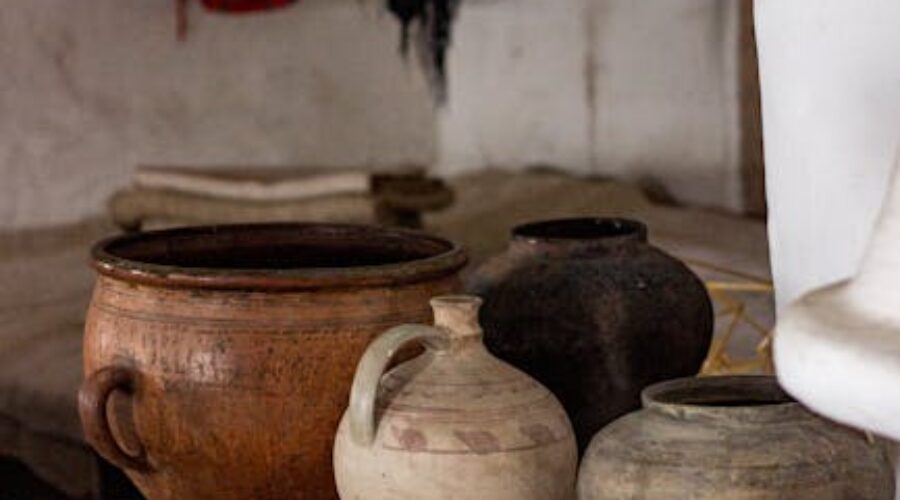
The village of Santa Catarina (between Tunes and São Marcos da Serra) has a small pottery tradition making the simple red-orange terracotta pots used in Algarve kitchens and gardens. Less refined than Porches, more local. These are the pots you’ll see outside farmhouses across the region.
What you’ll find: Simple jugs, basins, bread ovens, and garden pottery. No elaborate painting. No tourist packaging. The pottery here is sold from the house front.
Why it’s worth the detour: If you want to buy something made in the Algarve that you’ll actually use, this is it. Prices are a fraction of Porches.
São Brás de Alportel — The Cork and Pottery Town
São Brás de Alportel sits in the eastern Barrocal and is known for two things: cork and pottery. The town’s pottery tradition produces simple domestic ware — the same style you’d find in an Algarve village kitchen.
What makes it different from Porches: This is purely functional pottery, made for use rather than decoration. The town has a small pottery cooperative where local craftspeople sell directly.
Combining it with a route: São Brás works well as a half-day stop when driving from Faro or Tavira toward the mountain interior. Combine with a coffee stop at one of the local cafés.
The Barrocal Clay — Why This Region Makes Great Pottery
The Barrocal zone has the right geology for pottery: abundant limestone clay that fires to a distinctive white or cream colour, dense enough for throwing but workable at low temperatures. The tradition is centuries old — pre-Roman pottery shards have been found in the area around Tunes and Porches.
Understanding this makes the pottery route more than just a shopping stop. You’re looking at the same material the region has worked for two thousand years.
How to Visit the Pottery Route (Free Self-Guided)
The pottery villages are spread across a 30km radius in the central Barrocal. You need a car. No bus route connects these villages meaningfully.
Suggested Route (Half Day)
Start: Porches (90 minutes)
Drive: EN125 / M528 to Tunes (25 minutes)
Market day: Tunes Thursday morning (30-60 minutes)
Afternoon: Drive to Santa Catarina via M524 (20 minutes)
Optional extension: Continue north to São Brás de Alportel (25 minutes)
Tips for Visitors
- Bring cash. Small potteries rarely accept cards.
- Weekday mornings are best — most potteries close by 5pm.
- Don’t expect signage. In the smaller villages, pottery workshops blend into the street. Ask at the village café if you can’t find them.
- Ask before photographing. This is people’s workplaces.
- Porches Pottery has a café on site — good for a coffee stop after browsing.
What to Buy (and What to Leave)
Worth buying:
- Terracotta baking dishes (agueiros) — genuinely useful in an oven
- Small water jugs for the table
- Storage crocks for olives, oil, or dried goods
- Hand-painted tiles from Porches as a wall hanging
Leave behind:
- Anything mass-produced from China (common in market stalls)
- Fragile decorative pieces unless you have bubble wrap
Price range: Simple terracotta from village potters: €5–€20. Porches hand-painted pieces: €15–€80 depending on size.
Local Safety and Conditions Tip
March to May is the best time for a pottery route visit — the Barrocal countryside is green, the temperature is comfortable (18–24°C), and the potteries are quiet before the summer touring season. Summer heat (June–August) makes village visits uncomfortable; many potteries close or reduce hours in the afternoon. Always carry water when driving between villages — services are sparse in the Barrocal countryside.
Nearby Places to Combine
| Nearby Stop | Distance from Porches | Why |
|---|---|---|
| Silves | 12km | Moorish castle, riverside walk, historic centre |
| São Marcos da Serra | 15km | Remote hilltop village, quiet Barrocal |
| EN124 scenic drive | Various | Small villages, cork oak forest |
| Paderne | 20km | Castle ruins, rural market |
Final Note
The pottery route is one of the few Algarve experiences where there’s no commercial pressure — no tour buses, no entrance fees, no souvenirs designed for tourists. What you’re doing is visiting working artisans in the middle of their working day. The potters are accustomed to visitors but not dependent on them. That independence shows in the work.