
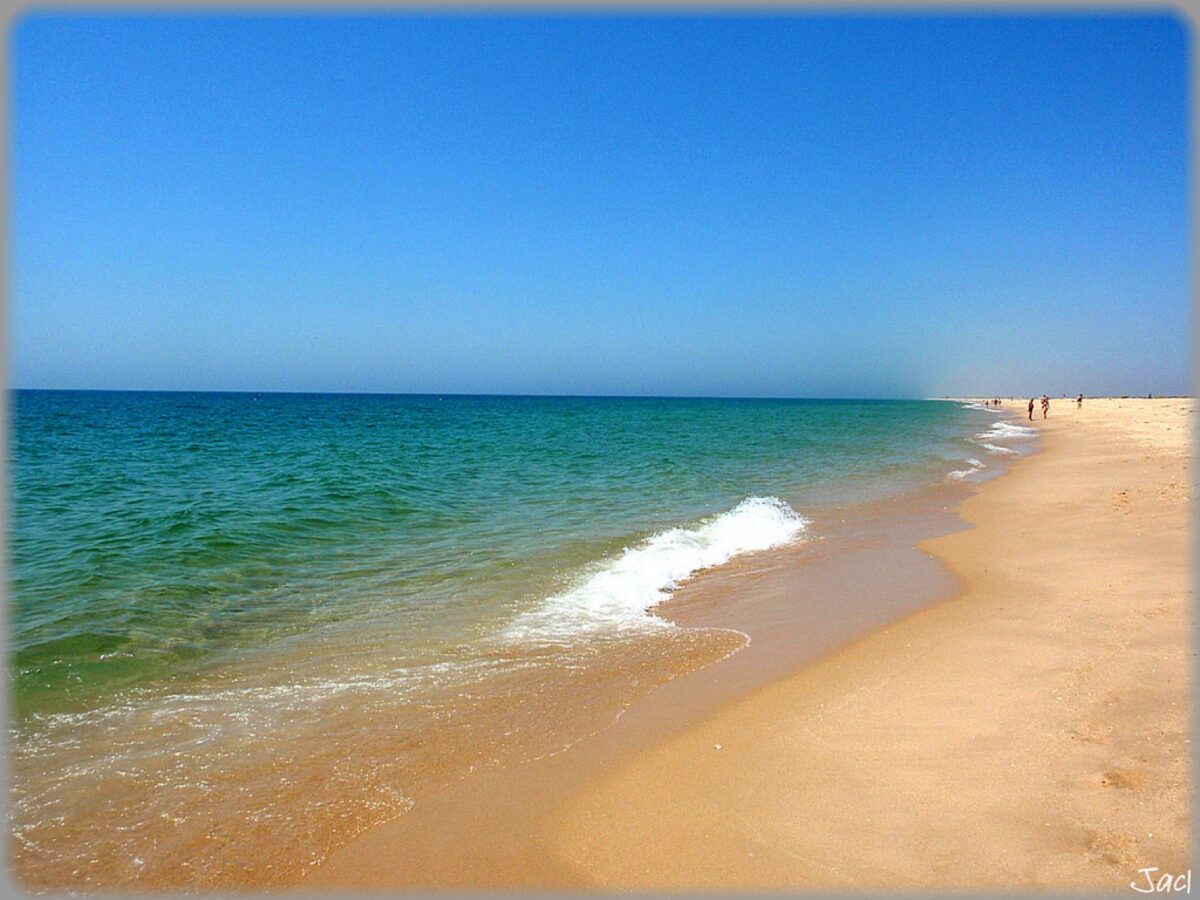
Ilha de Faro is the barrier island that broke the rules: the only one in the Ria Formosa you can reach by road, over a bridge so narrow it feels like a dare. What waits on the other side is a long, thin spit of sand with two completely different characters: the ocean side is a straight, open beach that keeps going until the island runs out, and the lagoon side is a working shoreline of fisher huts, wooden jetties and small boats sitting on the tide. In places the island is barely wider than the road, and standing between the two worlds (surf on one shoulder, still water and moored dinghies on the other) is the photograph.
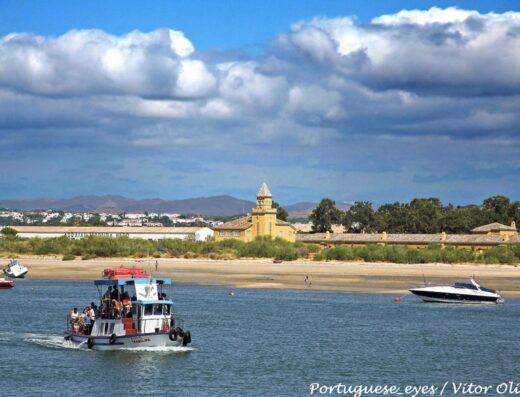
The huts are the subject most people miss. Faro’s beach crowd stays near the bridge and faces the sea; walk the lagoon edge instead and you find weathered sheds, stacked crates, nets and jetties running out over the flats: a scruffy, honest counterpoint to the holiday island, with the city of Faro floating across the water behind it.
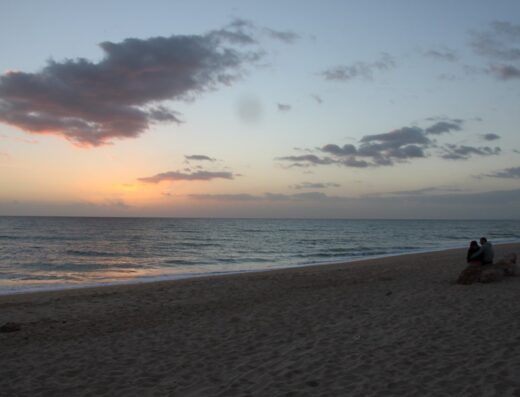
When to go: sunset, from the lagoon side: the ria goes flat and metallic, the huts turn to silhouettes, and planes drift into the airport across the water. Summer means packed sand and slow traffic on the bridge; winter and early spring give you the island nearly to yourself, with low light all day.
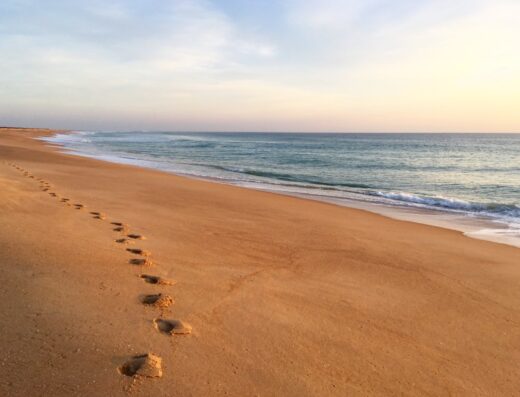
Getting away from the bridge is the whole trick. The further you walk in either direction, the emptier and better it gets: the middle of the spit is beach-town bustle, the ends are pure line and horizon.
Who it’s for: photographers who like edges and thin places, documentary shooters drawn to working waterfronts, and anyone flying in or out of Faro with a spare golden hour: the island sits right beside the airport.
About This Spot
-
General AreaNear Faro, Faro
-
Coverage BadgeArchive
-
Difficulty1 Easy
Getting There & Access
-
Getting ThereA narrow bridge crosses the lagoon onto the island just past Faro's airport. It is drivable, but slow going in summer. City buses run from Faro in season, and many locals simply cycle.
-
Access TermsFree Public
-
ParkingLimited on the island and stretched thin in summer. Come early, or come by bus or bike.
-
Best TimeSunset
-
Crowd LevelVaries
Photography Notes
-
Shooting NotesWalk away from the bridge in either direction. The lagoon side's huts and jetties are the frames most visitors never see.
-
Light & Sun NotesSunset over the ria turns the lagoon metallic and the huts to silhouettes; low winter light works all day.
-
ConditionsFully exposed sand spit: wind is common, and summer haze softens the light across the lagoon.
Visitor photos


Location
Log in free to see the exact pin and directions.

Leave a Reply
Been here? Add your shots.
Photos you add appear on this page with your name on them, next to the community gallery. Tell the next photographer what you found: the light, the crowds, whether it was worth the trip.
A free account also unlocks the exact pin, how to get there and the best time of day, on every spot.