The Low Season Algarve: What the Region Looks Like Between November and March
Photo: Portuguese_eyes · Flickr · CC BY-SA 2.0
Most visitors come to the Algarve between June and September. Between November and March, the region has quieter roads, less crowded beaches, more variable weather, and a landscape shaped by winter rain and Atlantic cloud. Here is what to expect when planning time in the Algarve’s non-commercial public spaces.
The Weather in Winter
The Algarve has mild winters by Northern European standards, but conditions are not reliably warm. Daytime temperatures often sit in the low to mid teens from December through February. Sunny days can feel comfortable in a light jacket, while cloudy, wet, or windy days feel much colder. Check the local forecast before setting out, especially for exposed coastal areas.
January and February are usually the coldest months. Conditions often begin to warm during March, but clear skies and mild temperatures are not guaranteed. Late March can provide more daylight for walking while retaining the quieter character of the low season.
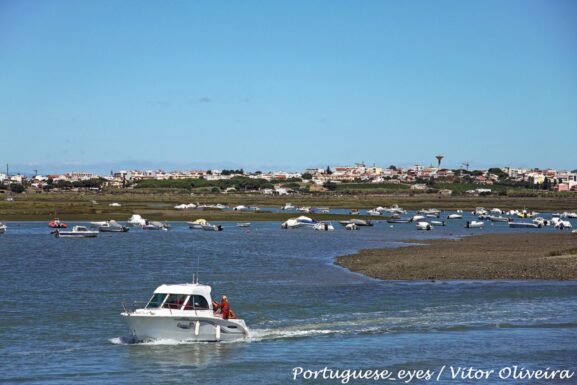
Most rain falls between October and March, with wetter periods common in November and December. Coastal trails can become muddy, and some inland paths may be difficult to use after heavy rain. Access around the Ria Formosa and its barrier islands can also be affected by wet or windy conditions, so check local access information before travelling.
Public Spaces and Services
Public beaches remain accessible throughout winter, although seasonal facilities such as toilets and showers may be closed. Do not assume that drinking water, toilets, or sheltered waiting areas will be available at the beach.
Towns including Tavira, Silves, Portimão, Lagos, and Albufeira continue to function throughout the year. Streets and waterfront areas are generally quieter than in summer, particularly during January and February.
Weather can restrict access to exposed cliffs, boardwalks, beaches, and island connections. If a public space is closed or an access route is marked unsafe, use another location rather than crossing barriers.
What Works Well in Winter
Some public spaces are easier to use during the low season:
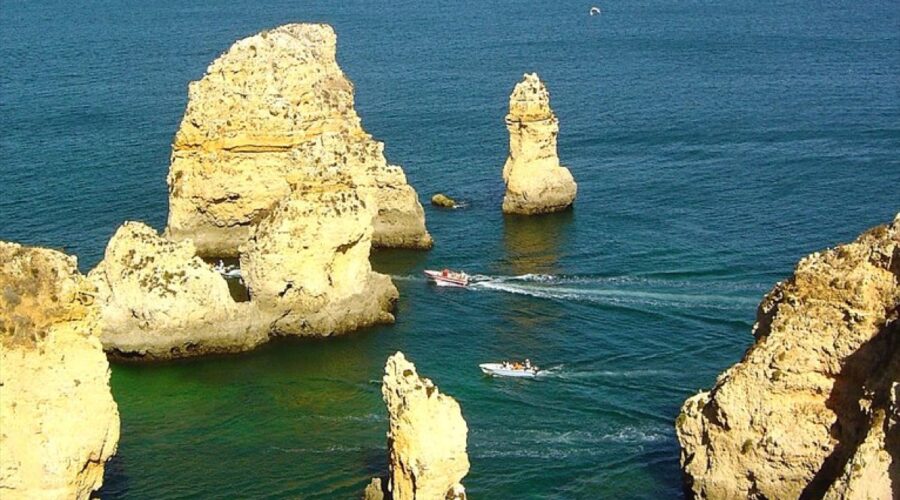
- Coastal walking trails: Lower temperatures can make routes such as the Seven Hanging Valleys Trail, sections of the Rota Vicentina, and the Ponta da Piedade paths more manageable. Some sections become muddy or slippery after rain, so bring waterproof footwear and turn back if conditions deteriorate.
- Birdwatching areas: Winter can be a useful season for observing birds around the Ria Formosa and the Tavira salt pans. Conditions and sightings vary, so treat any particular species as a possibility rather than a guarantee.
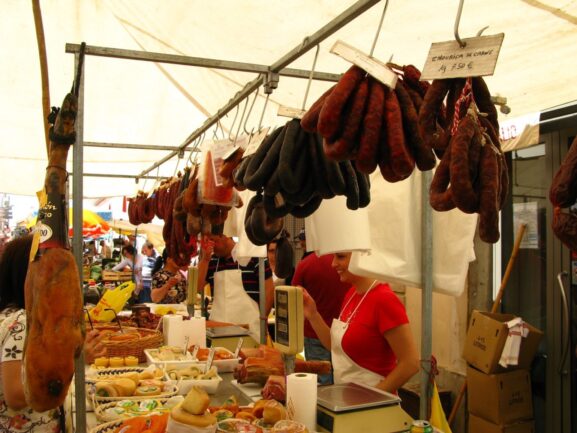
- Town centres: Public squares, riverside paths, historic streets, and municipal market areas remain part of everyday local life throughout winter. Tavira and Silves are practical choices for a quieter town-based day.
- Road travel: The N125 and coastal roads are often quieter than during the summer peak. Allow extra time during heavy rain and avoid exposed roads if weather warnings are in effect.
What to Be Aware Of
- Short days: Daylight is limited in December and January. Start longer walks in the morning and allow enough time to return before dark.
- Variable conditions: Several wet or grey days can be followed by clear weather, then another period of rain. Keep plans flexible and check the forecast before each outdoor activity.
- Slippery surfaces: Limestone paths, cliff trails, wooden boardwalks, and stone streets can be slippery when wet. Wear footwear with reliable grip.
- Limited public transport: Frequencies can vary by season, day of the week, and public holiday. Check current official bus, rail, and ferry timetables before departure.
- Exposed coastal areas: Wind and rough seas can make cliffs, headlands, and unsheltered beaches unsafe even when it is not raining. Follow warning signs and remain behind barriers.
Month-by-Month Assessment
| Month | Likely Conditions | Public-Space Planning | Best Use |
|---|---|---|---|
| November | Cooler and increasingly wet | Check trails after rain | Flexible walking days |
| December | Cool, with short days and wetter periods | Start outdoor activities early | Town centres and short walks |
| January | Often the coldest period, with variable cloud and rain | Carry waterproof layers and check warnings | Birdwatching and sheltered routes |
| February | Variable, with both wet and clear days | Keep alternative routes available | Quiet public spaces and coastal walks in suitable weather |
| March | Often milder, with increasing daylight | Continue checking trail and coastal conditions | Longer walks and mixed town-and-coast days |
Practical Packing for Winter
- Waterproof jacket for rain and exposed coastal wind
- Layers that can be added or removed as conditions change
- Walking footwear with reliable grip for wet limestone and muddy paths
- Hat and sun protection for clear days
- Small daypack for water, spare layers, and a charged phone
- A torch for unexpected delays near the end of the day
The Bottom Line
The low-season Algarve suits visitors who can adapt their plans to rain, wind, short days, and occasional access restrictions. Public beaches, town centres, wetlands, and coastal paths are quieter than during the summer peak, but conditions require more preparation. March offers increasing daylight, while December through February requires shorter routes and more flexible daily decisions.