Tavira in a Day: The Castle, the Bridge, and the Island Beach You Take the Ferry To
Photo: sky_hlv · Flickr · CC BY 2.0
Tavira is a compact town on the eastern Algarve coast. Its historic centre includes a castle, several churches, a bridge across the Rio Gilão, and access to an island beach by ferry.
The town stands on the Rio Gilão, inland from the Atlantic and beside the Ria Formosa lagoon system. Its centre is compact enough to explore on foot, while the ferry journey adds a separate coastal section to the day.
This guide treats Tavira as a destination in its own right and focuses on public spaces that can be visited in one day.
Morning: the old town
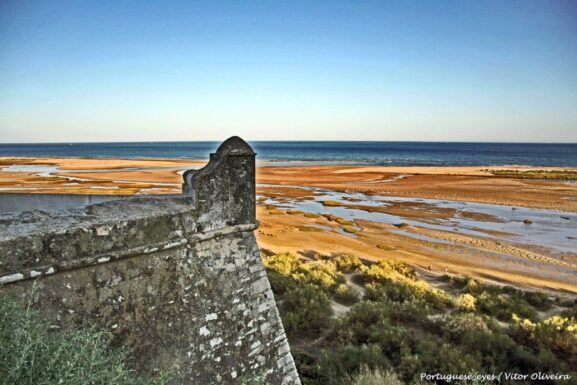
Start at Tavira Castle (Castelo de Tavira), on high ground in the old town. The surviving walls reflect several periods in the town’s history. From the accessible sections, you can look across the rooftops toward the river and lagoon. Allow enough time to walk through the grounds and around the walls without rushing.
From the castle, walk downhill toward the Rio Gilão. The Ponte de Gilão, the central bridge across the river, is often described as Roman. The present bridge is not Roman, although it occupies the line of an older crossing. It is a useful orientation point between the two sides of the historic centre.
The churches: Tavira is traditionally associated with 37 churches, although not all survive or are open to visitors. Near the castle, Santa Maria do Castelo is a practical first stop. Igreja da Misericórdia is another central landmark. Opening hours can vary, so treat interior access as optional and continue through the surrounding streets if a building is closed.
After visiting the castle area, follow the public streets and riverside paths through the old town. The centre is small enough to explore without a fixed route, and the river makes it easy to regain your bearings.
Afternoon: the island and the lagoon
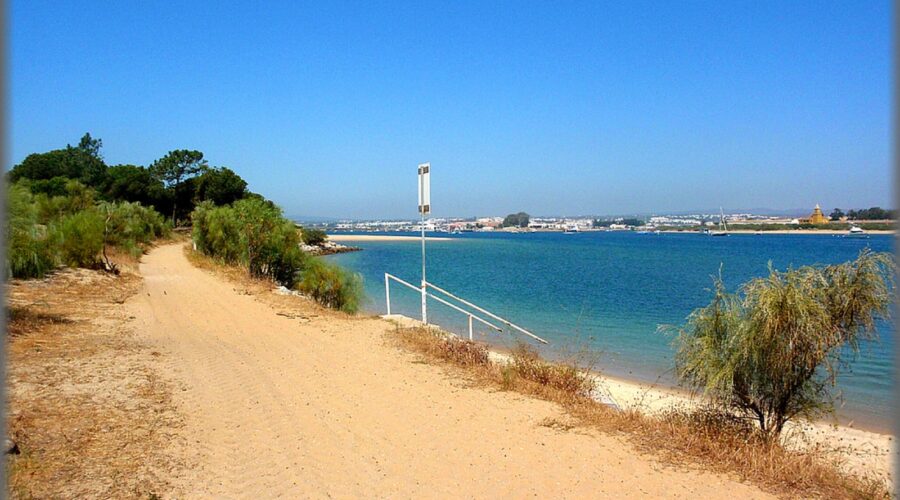
Ilha de Tavira is part of the Ria Formosa barrier island system. It is reached by ferry, but departure points and timetables can vary with the season. Check the current departure point and return schedule locally before setting out.
What you find on the island: A broad Atlantic beach on the seaward side of the island. The ferry crossing provides views of the lagoon before the route continues on foot to the beach. Conditions and supervised swimming periods vary, so follow local notices and lifeguard guidance.
Do not plan Praia do Barril as a short walk from the main Tavira ferry landing. It is a separate access choice and does not fit naturally into this ferry based one-day route. For this itinerary, use the beach served by the Tavira ferry and leave time for the return crossing.
Tide and ferry: Services are reduced outside the peak summer period. Confirm the final return departure before spending time on the beach, especially outside July and August.
Tavira or Faro?
The practical choice depends on whether you prioritise a compact historic centre or regional transport connections.
| Consideration | Tavira | Faro |
|---|---|---|
| Historic centre | Compact, with the castle, churches, bridge, and river close together | Larger, with its historic core forming one part of the city |
| Castle access | Castle grounds and accessible wall sections above the old town | No comparable castle visit in the city centre |
| Island access | Seasonal ferry arrangements for Ilha de Tavira | Ferry connections to islands in the western part of the lagoon |
| Rail connections | Regional station within walking distance of the centre | Broader interchange for regional and longer distance services |
| Best fit | A compact walking day combined with a lagoon crossing | A larger city visit or a journey requiring more transport options |
Choose Tavira when the priority is walking between historic public spaces and adding an island ferry trip. Choose Faro when the priority is a larger transport hub and a broader urban itinerary.
Evening: return to the castle area
If opening hours allow, return to the castle area late in the day for views across the town and the Rio Gilão. Do not assume the walls will remain open until sunset; check the posted closing time earlier in the day. If the castle is closed, use the nearby public streets and riverside instead.
Getting to Tavira
By train: Tavira is served by the regional Algarve rail line. Services from Faro usually take around 35 to 50 minutes, depending on the train. Journeys from Lagos require a connection, so check the current timetable rather than treating the route as direct. Tavira station is within walking distance of the historic centre.
By bus: Regional buses connect Tavira with Faro and other Algarve towns. Routes and operators can change, so check the current stop, timetable, and connection requirements before travel.
By car: Tavira is reached from the A22 and surrounding regional roads. Journey times depend on the starting point and traffic, so check a current route planner. Use signed public parking outside the narrowest streets of the historic centre and complete the central route on foot.
Bottom line
Tavira works as a full-day itinerary when the castle and old town are visited in the morning, followed by a checked ferry connection to Ilha de Tavira in the afternoon. Confirm the ferry return and castle closing times before committing to the order of the day.
If you are deciding between Tavira and Faro, choose Tavira for a compact historic walking route with island access. Choose Faro when transport connections or a larger city itinerary matter more.