September in the Algarve: The Month That Actually Has It All
Photo: Portuguese_eyes · Flickr · CC BY-SA 2.0
September in the Algarve: The Month That Actually Has It All
September offers a practical balance for visitors who want warm water, usable daylight, less crowded coastal paths, and milder conditions than the height of summer.
Early September often feels like an extension of August. Later in the month, temperatures usually become more comfortable for walking, visitor numbers decline, and Atlantic conditions can become less settled.
What the Weather Is Actually Like
September can be divided into two useful planning periods:
- Early September, from 1 to 15: Conditions are generally warm, with long periods of sunshine and sea temperatures near their annual peak. Midday heat can still make exposed walks uncomfortable, so plan longer routes for the morning or late afternoon.
- Late September, from 16 to 30: Air temperatures generally become more comfortable for hiking. The sea usually remains suitable for swimming, although Atlantic swell and occasional unsettled weather become more likely.
Rain is possible, particularly later in the month, but prolonged wet periods are less typical than in autumn. Check the local forecast before committing to an exposed coastal walk or a full beach day.
The Water: Why Timing Matters
Sea temperatures are usually near their annual peak in September because the Atlantic has warmed through the summer. Many visitors find the water comfortable for swimming, although conditions vary by beach, wind direction, currents, and recent weather.
Early and mid-September generally provide the most useful combination of warm water and fewer visitors than August. Later in the month, swimming can still be practical, but changing swell may affect exposed beaches and small coves.
Always follow beach flags, lifeguard instructions, and local warnings. A sheltered-looking cove can still have strong currents or difficult entry conditions.
Crowds: What to Expect
The first part of September can remain busy because late-summer travel continues and Portuguese school holidays may extend into the beginning of the month. Coastal towns and well-known beaches generally become quieter after mid-September, with a further reduction toward the end of the month.
The change is most noticeable at coastal car parks, beach access points, and popular viewpoints. Praia do Camilo near Lagos, Praia de Benagil in Lagoa municipality, and the Seven Hanging Valleys Trail on the central Algarve coast can still be busy, particularly around the middle of the day.
The west coast near Sagres and Carrapateira attracts surfers throughout the year, so visitor numbers there may not decline as sharply. For a quieter visit, arrive early and avoid relying on small roadside parking areas.
Trail Conditions: After the Peak Summer Heat
September can work well for hiking, particularly later in the month when daytime temperatures begin to ease. Trails remain dry and exposed, and shade is limited on many coastal and inland routes.
The Seven Hanging Valleys Trail on the central Algarve coast, sections of the Rota Vicentina near Odeceixe in Aljezur municipality, and the cliff paths near Sagres in Vila do Bispo municipality are practical options when weather and trail conditions allow. Start early, stay behind barriers, and avoid unstable cliff edges.
Inland trails in the Barrocal and Serra do Caldeirão can be dry and dusty by September. Carry enough water for the route, use sun protection, and check local fire-risk restrictions before setting out.
What to Prioritise in September
- Swimming: Early and mid-September usually offer warm sea temperatures. Choose a lifeguarded beach where possible and check the beach flags before entering the water.
- Coastal walks: Later September is often more comfortable for exposed routes such as the Seven Hanging Valleys Trail, the Rota Vicentina Fishermen’s Trail, and the paths near Sagres.
- Viewpoints and photography: Sunset moves earlier as the month progresses. Check the local sunset time and leave enough daylight to return safely from cliff paths.
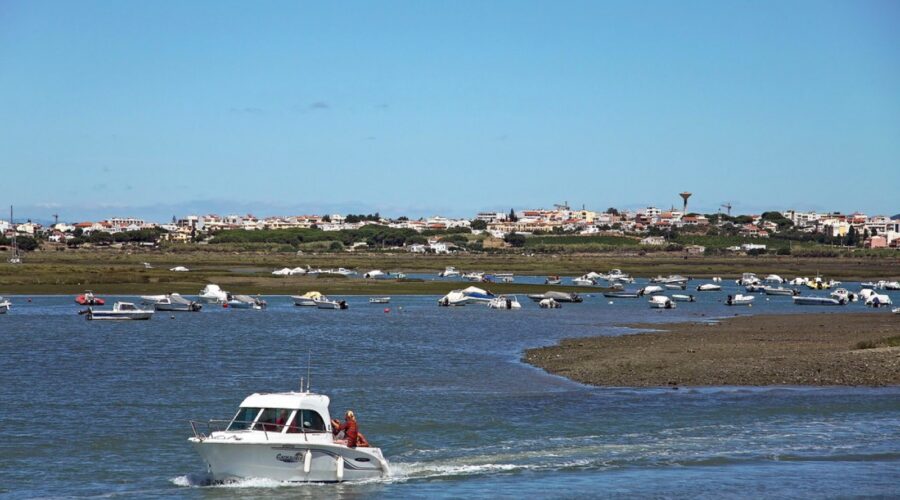
- Public natural areas: The Ria Formosa, the Vicentine Coast, and municipal coastal paths provide alternatives to spending the entire visit on one beach. Access conditions and restrictions can change, so check local notices.
What to Be Aware Of
- Atlantic swell: Swell can become more frequent later in September, particularly on the west coast. This may produce strong currents and more difficult swimming conditions.
- Cliff safety: Keep away from cliff edges and overhangs, including areas that appear stable. Use marked paths and respect barriers and warning signs.
- Sunset times: Daylight shortens throughout September. Check the current sunset time before beginning a late walk and allow time to return before dark.
- Ferry schedules: Public ferry services in the Ria Formosa may change schedules as the season progresses. Check locally for current departure times.
- Fire risk: Dry vegetation and high temperatures can persist into September. Follow municipal and civil-protection notices, especially before visiting inland paths.
September in Three Windows
| Early September, from 1 to 15 | Expect summer-like conditions, warm water, and continued demand for coastal parking. Swim at lifeguarded beaches and schedule exposed walks outside the hottest part of the day. |
| Mid-September, from 15 to 22 | Sea temperatures usually remain warm while trails and access points begin to feel less crowded. Check the forecast before combining swimming with a long coastal walk. |
| Late September, from 22 to 30 | Walking conditions are often more comfortable and visitor numbers are generally lower. Allow for earlier sunsets and a greater chance of Atlantic swell or unsettled weather. |
Practical Planning
Use local forecasts rather than assuming the entire month will follow summer conditions. Weather can differ between the south coast, the west coast, and inland areas.
For popular beaches and trailheads, arrive early and have a second public access point in mind if parking is full. Do not park on vegetation, block emergency access, or stop along narrow roads.
During the final week of September, check current opening times for visitor centres, public ferries, seasonal lifeguard coverage, and other public facilities. Coastal paths and beaches remain accessible unless local conditions or safety restrictions require closure.
September suits travellers who want to combine swimming with walking. Early in the month, manage heat and crowds; later in the month, plan around shorter days, changing swell, and less predictable weather.