Birdwatching in Ria Formosa: Spring Migration and Where to Find the Best Sightings
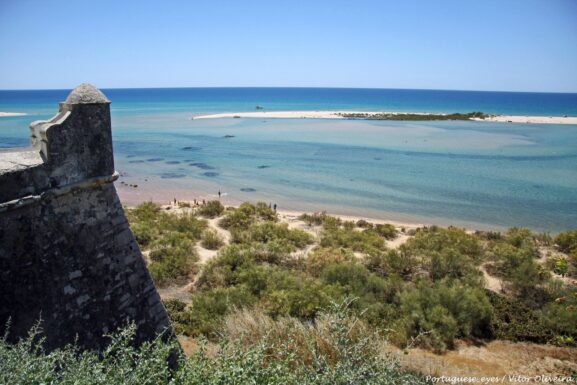
Photo: Portuguese_eyes · Flickr · CC BY-SA 2.0
Ria Formosa is a significant wetland system in Portugal. In spring, migratory birds pass through the lagoon on their way north from Africa, while resident species such as Greater Flamingos, Spoonbills and Black-winged Stilts remain visible around the saltpans and shallows. This guide explains when to visit and which public birdwatching areas to consider.
The migration window
March through mid-May is the main passage period for waders moving through Ria Formosa toward breeding grounds in northern Europe. The area is compact enough to explore during a half-day visit without a guide, although sightings vary with the weather, tides and water levels.
Birds you may encounter during this period include:
- Greater Flamingo: Present throughout the year and often visible around the saltpans near Tavira and at the Castro Marim reserve. Its size and colouring make it identifiable without specialist equipment.
- Slender-billed Gull: A small, pale gull with a long, dark bill. It can occur around saltpans during spring and summer.
- Black-winged Stilt: Present throughout the year and common around shallow water. Its black and white colouring and long legs distinguish it from many other waders.
- Spoonbill: Present throughout the year. Its flat, spoon-shaped bill is visible with binoculars when the bird is feeding in open water.
- Little Tern and Kentish Plover: These species use sandbars and open coastal habitat during the breeding season. Observe them from a respectful distance and avoid approaching nests.
- Audouin’s Gull: A less frequently encountered gull that may be seen around the barrier islands during spring and summer.
Where to go
Tavira saltpans, near Tavira: Public paths around the salinas provide views across shallow water used by flamingos, stilts and spoonbills. Sightlines vary with water levels and saltpan activity, so check local signs and remain on permitted paths. Allow around 1.5 to 2 hours for an unhurried visit.
Castro Marim and Vila Real de Santo António Marsh Natural Reserve, in Castro Marim municipality: This eastern Algarve wetland is separate from Ria Formosa but provides an additional public birdwatching option. Its open marshes can support curlews, whimbrels, greenshanks and other passage waders. The terrain is exposed, so bring sun protection and water. Allow around 2 to 3 hours for a longer circuit, subject to current path access.
What to bring
- Binoculars: An 8×42 pair is a practical choice for wetland birdwatching, but any binoculars are useful.
- Field guide: Use an offline bird identification app or carry a printed European field guide.
- Sun protection: Saltpan and marsh paths have little shade.
- Water: Carry enough for the full walk, as facilities may not be available near the paths and hides.
- Long trousers: These provide protection on paths bordered by long grass. Check for ticks after walking through vegetation.
- Spotting scope, optional: Useful for identifying distant waders, but unnecessary for many larger birds.
Timing
Early morning generally provides cooler conditions and more bird activity. In March and April, arriving around sunrise gives time to watch feeding birds before the paths become warmer and busier. Dawn is earlier in May, so check the local sunrise time before leaving.
Avoid the hottest part of the day in summer. Heat can reduce visible bird activity and makes exposed saltpan and marsh paths less comfortable.
Getting there
The Tavira saltpans are near Tavira town centre, in Tavira municipality. Access points and parking arrangements can change, so follow current local signs and use only designated entrances and parking areas.
The Castro Marim reserve is signposted near Castro Marim. Walking times depend on the entrance, path conditions and which hides are open, so consult the reserve’s current visitor information before setting out.
Other wildlife in spring
Ria Formosa also supports wildlife associated with saltmarshes, eelgrass beds and shallow lagoon channels. Sightings depend on water conditions, season and location. Observe wildlife without entering restricted habitat or disturbing vegetation.
Decision guide
Choose the Tavira saltpans if: You want a compact public walking route with opportunities to see flamingos and other birds using shallow saltpan habitat. Allow around 1.5 to 2 hours.
Choose the Castro Marim reserve if: You are in the eastern Algarve and want a longer walk across open marsh habitat. Remember that the reserve is a separate wetland from Ria Formosa. Allow around 2 to 3 hours, depending on the route and current access.
For a first visit, the public paths around the Tavira saltpans provide a practical starting point. Go early, bring binoculars, follow posted access restrictions and keep your distance from feeding and nesting birds.