
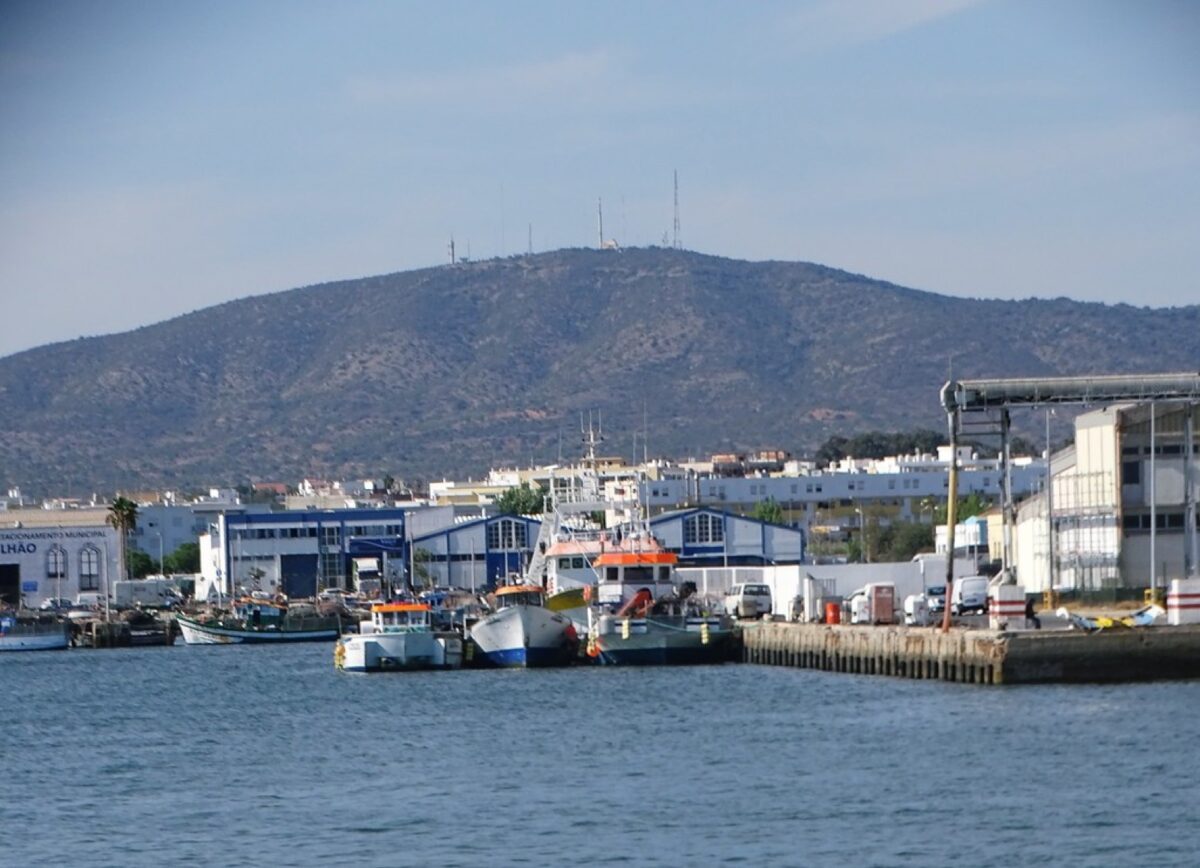
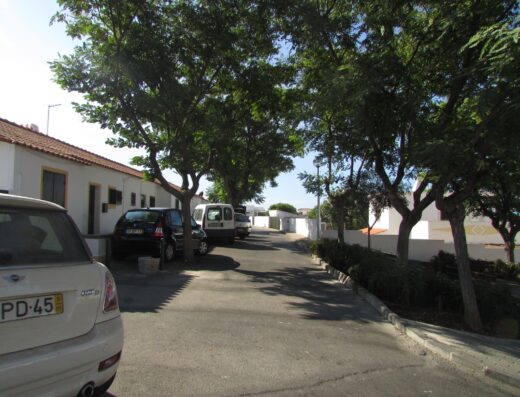
Culatra is not a beach resort that happens to have fishermen: it’s a fishing settlement that happens to sit on a paradise sandbar, and the difference shows in every frame. The village streets are sand, the front yards hold nets, buoys and outboard motors, and the harbour is full of working boats rather than pleasure craft. The community lives from the lagoon: shellfish beds on the flats, boats out early, and the whole place carries a self-built, weather-worn texture you will not find anywhere else on this coast.
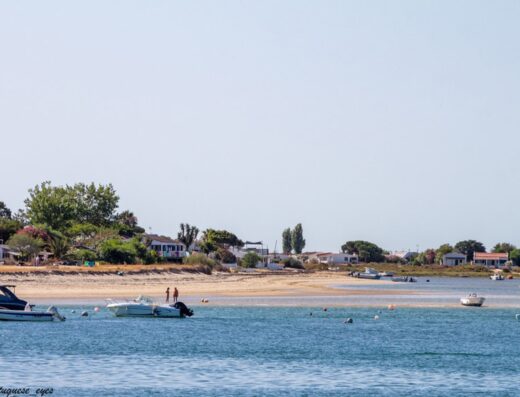
This is documentary territory. Stacked octopus pots, drying nets, hand-painted house fronts, carts hauling gear along sandy lanes: the details carry the story better than any wide view. The lagoon-side harbour at low tide, boats sitting on the mud with Olhão on the horizon, is the classic establishing shot.
When to go: morning, when the working day is visible: boats coming and going, catches landed, the flats busy with shellfish gatherers. Summer brings day-trippers to the beach side of the island but barely touches the village’s rhythm.
Go gently. People live and work here; this is their town, not a set. Ask before photographing anyone at close range, buy a coffee, keep out of private yards, and the pictures are better when you’ve earned a nod first.
Who it’s for: documentary and street photographers above all. If your idea of island photography is beach clubs and infinity pools, take a different ferry. Culatra’s beauty is in its work.
About This Spot
-
General AreaNear Olhão, Olhão
-
Coverage BadgeArchive
-
Difficulty2 Moderate
Getting There & Access
-
Getting ThereFerries leave from Olhão's waterfront and land at the village pier. Everything on the island moves on foot, over sand.
-
Access TermsFree Public
-
Best TimeMorning
-
Crowd LevelQuiet
Photography Notes
-
Shooting NotesDetails carry the story: stacked pots, drying nets, sandy lanes; the low-tide harbour with Olhão on the horizon is the establishing shot. Ask before close portraits.
-
ConditionsLow tide grounds the boats and opens the flats: the best textures; high summer light off the sand is harsh by mid-morning.
Visitor photos


Location
Log in free to see the exact pin and directions.

Leave a Reply
Been here? Add your shots.
Photos you add appear on this page with your name on them, next to the community gallery. Tell the next photographer what you found: the light, the crowds, whether it was worth the trip.
A free account also unlocks the exact pin, how to get there and the best time of day, on every spot.