Easter Week in the Algarve: Finding the Quiet Between the Crowds
The Strange Magic of Easter in the Algarve
There’s a window during Easter week in the Algarve that most visitors don’t know exists. The schools have broken up. The hotels are full. The restaurants are booking out. And yet — if you know where to look — there are moments of profound stillness.
Good Friday in Lagos, and the streets go quiet at noon. The fishing boats stay in the harbor. The only sound is the church bell echoing off the limestone walls of the old town.
This is the Algarve’s hidden Easter. Not the commercial one — the real one.
Why Easter Week Is Different
Easter falls on April 5th in 2026, but the week leading up to it — particularly the Good Friday and Easter Monday bank holidays — creates a unique phenomenon in the region.
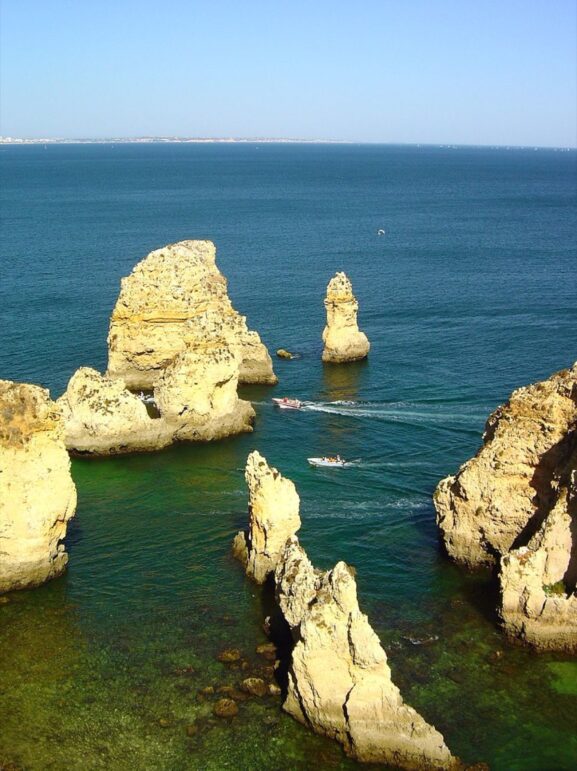
The Algarve has two crowds: the summer tourists who come for the heat, and the Easter tourists who come for the weather. The problem is, they all go to the same places. Praia da Rocha. Benagil. The Zoomarine.
But here’s what most travel guides don’t tell you: the same conditions that bring the crowds also create opportunities. When everyone goes to the beach, the hiking trails empty. When the resorts book solid, the small villages become eerily peaceful. And when the religious processions happen in the towns, the coast becomes yours.
Where to Find the Quiet
The Western Coast (Carrapateira to Sagres)
The Rota Vicentina trails see their lowest traffic of the year during Easter week. Not because people don’t want to walk them — but because the narrative in most travel guides pushes people toward the beaches.
Good Friday morning on the Fishermen’s Trail between Porto Covo and Cape Sardão offers some of the finest coastal walking in Europe with almost no one else on the path. The wildflowers are still blooming. The temperatures are perfect for walking. The only company you’ll have is the occasional shepherd and the ever-present seabirds.
Practical tip: Start early. The car parks at the trailheads fill up by 10 AM even in off-season. Be on the road by 8.
The Monchique Mountains
While everyone fights for space at the coast, the mountain trails around Monchique remain gloriously empty. The route from Monchique to the hot springs at Termas de Monchique is a 12-kilometer round trip that takes you through cork oak forest and alongside mountain streams.
Easter Monday is the traditional day for Portuguese families to visit the thermal springs. Go on Good Friday instead, and you’ll have the thermal pools to yourself.
Practical tip: The road to the hot springs is narrow. Go early to avoid oncoming traffic on the single-track sections.
Ria Formosa (Eastern Algarve)
The boardwalks at Quinta do Lago and the eastern channels around Tavira see some of their lowest birding traffic of the year during Easter. The wading birds are still present — spoonbills, flamingos, herons — but the photographers have gone home.
The key here is timing: early morning (before 8 AM) or late afternoon (after 5 PM). The Easter crowds are on the beaches, not in the hides.
Practical tip: Bring binoculars. The bird hides at Quinta do Lago are free and unlocked year-round.
The Processions (For Those Who Want Them)
If you want to experience the religious side of Algarve Easter, the processions are worth attending. They’re short, solemn, and deeply local.
Lagos: Good Friday afternoon features a procession through the old town streets. The church doors open, the statue of the Virgin Mary is carried out, and the town follows in silence. Arrive 30 minutes early to secure a spot along the route.
Tavira: Has the most elaborate procession, starting from the castle and winding down to the river. Easter Sunday morning.
Silves: The Moorish-influenced procession features traditional costumes. Easter Sunday afternoon.
These aren’t tourist shows. They’re living traditions. Dress respectfully, stay quiet, and observe from the edges.
The Beach Paradox
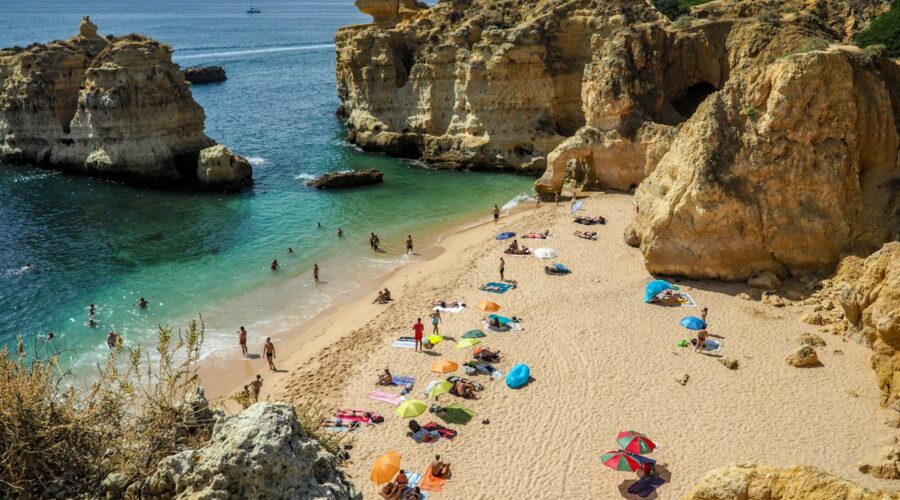
Here’s the counter-intuitive truth about Easter week beaches in the Algarve: the weather is often better than peak summer. Late March and early April typically bring sunny days in the high teens (occasionally low 20s), lower humidity, and less wind than July.
But the water is still cold — around 15-16°C. So while the beaches look inviting, most Easter visitors don’t swim. They sunbathe. They build sandcastles. They complain about the temperature.
This means the beaches are busy but not unbearable. The real strategy: go to the beach in the early morning (7-9 AM) for the best light and emptiest sand, then retreat to the trails or the mountains during the midday rush.
The Hidden Win: Late Easter Week
Here’s what most travel advice gets wrong: the days immediately after Easter — the Tuesday and Wednesday following the bank holidays — are the secret sweet spot.
The crowds have gone home. The schools are back in session. The weather is still excellent. The wildflowers are peaking. And every trail, beach, and viewpoint in the Algarve is suddenly, gloriously empty.
If you can extend your trip by even two days past Easter Monday, you get the Algarve that most visitors never see.
What to Pack
- Layers. Morning temperatures can be cool (12-14°C), but midday hits 20°C+. The difference between shade and sun is dramatic.
- Comfortable walking shoes. The trails are dry but can be rocky.
- Sun protection. The March sun is stronger than people expect.
- A light waterproof. Late March can occasionally bring brief showers.
- Patience. Some restaurants close for the holiday. Have backups.
The Verdict
Easter week in the Algarve isn’t about avoiding the crowds — they’re inevitable during bank holidays. It’s about understanding the rhythm. The crowds go to the beaches and resorts. The coast and mountains are there for those who want them.
The real Easter magic isn’t in the processions or the chocolates. It’s in the strange peace that falls over the region in between.
Go early. Stay late. Walk when they swim. And you’ll find it.