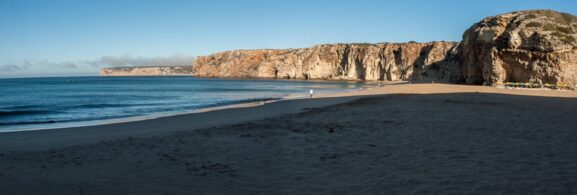

March Photography Highlights: Capturing the Algarve Before Wildflowers Fade
Your Last Chance to Capture the Algarve’s Spring Palette
The wildflowers are still blooming, the light is still soft, and you still have a window — but it’s closing. If you’ve been waiting for the “perfect moment” to photograph the Algarve in spring, that moment is now. In about two to three weeks, the meadows will brown, the orchids will fade, and the landscape will shift into its summer guise. This is your last call to capture what makes the Algarve one of Europe’s best-kept photography secrets.
Why March Is the Sweet Spot
Forget everything you think you know about Algarve photography being a summer game. March offers something July can never match: the spring bloom. We’re talking carpets of yellow mustard flowers stretching across the inland hills, purple heath orchis dotting the limestone ridges, and the occasional red poppy appearing like fire bursts against the green.
But it’s not just about the flowers. March light in the Algarve is photographers’ gold. The sun sits low enough that golden hour stretches from about 6:30 to 7:30 AM and again from 5:30 to 7:00 PM. That means you get that warm, directional light that makes landscapes glow — without the extreme heat that makes carrying gear miserable. Midday light in March is surprisingly soft, workable even for portraits thanks to the relatively high sun angle but gentle intensity.
The third element? Fewer tourists. Most visitors haven’t discovered this yet. You can set up a tripod at Rocha da Pena without a dozen people walking through your frame. That won’t last.
Top Four Photography Locations
1. Rocha da Pena — The Ridge of Flowers
This is the Algarve’s photography powerhouse for spring. The limestone ridge near Salir bursts with wildflowers in March, creating dramatic foreground interest against sweeping views toward the coast. The ridge walk offers multiple compositions: flower-filled meadows in the foreground, the ridge line leading to distant hills, and the occasional eagle circling overhead.
What to shoot: Sunrise from the eastern side (golden light over the inland valley), wide landscape with wildflower foreground, detail shots of specific blooms.
Access: Park at the signed pull-off between Salir and the EN2 road. Short walk to the ridge. Allow 2-3 hours for a full exploration.
2. Monchique Hills — Cork Forest and Mountain Atmosphere
For a completely different feel, head to the mountains. The area around Monchique offers cork oak forests, eucalyptus groves (yes, they’re non-native but photograph beautifully in morning mist), and rolling hills that catch the light in ways the flat coast never does.
What to shoot: Misty morning roads through forest, textured cork oak bark close-ups, panoramic views from viewpoints near Fóia.
Access: The roads between Monchique and Fóia offer numerous pull-offs. Early morning (before 7 AM) increases your chance of mist.
3. Fonte Benémola — Riverside Composition
Near Loulé, this small natural park offers something the other locations don’t: water. The river, flanked by trees and flowers, creates reflection opportunities and adds variety to your portfolio. The sheltered valley also means less wind — important if you’re using a tripod.
What to shoot: River reflections, flower details near the water, the old watermill ruins.
Access: Well-marked entrance from the EN397 road. Good paths, suitable for most fitness levels.
4. Via Algarviana Sections — Hidden Trails
The long-distance walking route between Portimão and Vila Real de Santo António passes through some of the Algarve’s most photographed between Monchique landscapes. The sections and Silves are particularly rewarding, with rolling hills, occasional streams, and far fewer visitors than the coast.
What to shoot: Winding trail perspectives, hill-top panoramas, solitary trees as focal points.
Timing Guide
- Sunrise (6:30-7:30 AM): Best for the coast-facing locations like Rocha da Pena. East-facing compositions catch the morning light beautifully.
- Golden Hour Evening (5:30-7:00 PM): Perfect for Monchique and inland locations. The warm light on the hills is unforgettable.
- Midday (11 AM – 2 PM): March is forgiving. The sun is not yet harsh enough to kill shadows completely. Use this time for forest locations (Monchique) where the canopy diffuses light.
- Overcast Days: Don’t hide your camera. Overcast skies act as a giant softbox, making colors pop without harsh shadows. Some of the best wildflower shots happen on gray days.
Gear Recommendations
- Macro lens or close-focusing ability: The wildflowers reward close-up work. Even a basic kit lens at its nearest focus distance can work, but a dedicated macro or telephoto with close focus opens up new possibilities.
- Wide angle (16-24mm): Essential for capturing the sweeping landscape compositions that make the Algarve special.
- Polarizing filter: Cuts glare off wet rocks, leaves, and water. Essential for that “crisp” Algarve look. Rotating the filter changes sky intensity too.
- Tripod: Useful for golden hour and for precise compositions. March winds can be light to moderate, so a sturdy tripod matters.
- Lens cleaning kit: Dew in the morning, dust on trails — keep your glass clean.
Conditions and Safety Note
March trails can be muddy, especially in the days following rain. Protect your camera gear with a rain cover or think twice before pulling out your most expensive lens near water. Morning dew means your gear may be wet when you pack up — include a microfiber cloth. Check IPMA weather before heading out, and be aware that wind speeds above 20 km/h make tripod work challenging and can affect stability for long exposures.
The Window Is Closing
In two to three weeks, this will all change. The wildflowers will seed, the hills will turn golden, and the harsh summer light will return. March gives you the best of everything — flowers, light, solitude, and comfortable temperatures. Don’t let it pass without getting out there with your camera.
The Algarve’s spring is fleeting. Your memory cards, however, will hold it forever.