Shore-Based Marine Life Watching: Dolphins and Seabirds From Public Cliffs
Shore-Based Marine Life Watching: Dolphins and Seabirds From Public Cliffs

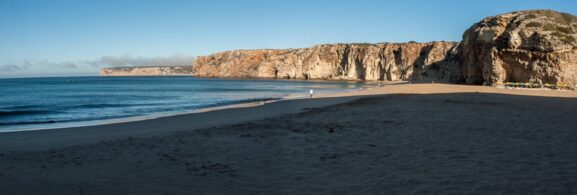
Photo: Wikimedia Commons
You do not need a boat ticket to witness the Algarve marine magic. Some of the most memorable wildlife encounters happen right from the cliff edges—and most visitors never think to look.
While tourists flock to boat tours hoping for dolphin sightings, the clever ones head to the clifftops. In spring, resident dolphins—particularly common dolphins and the occasional bottlenose—chase fish close to shore. From elevated cliff positions, you can watch them arc through the water, sometimes for minutes at a time, without disturbing their natural behavior.
Why Spring Is the Best Season for Shore-Based Watching
Spring transforms the Algarve marine scene. Upwelling currents bring nutrient-rich waters to the surface, drawing bait fish—and the predators that follow them. Here why March through May offers the best shore-based watching:
- Dolphin activity peaks as they hunt the schools of sardines and mackerel that congregate near the coast
- Calmer morning seas (typically 8-11 AM) make dolphin surfaces more predictable
- Fewer crowds at cliff viewpoints compared to summer months
- Longer daylight hours extend your viewing window without early starts
Four Best Cliff Locations for Marine Wildlife
1. Sagres Cliffs (Ponta de Sagres)
Best for: Highest sighting probability
Access: Free public parking at the fortress. Walk the perimeter trails along the cliff edges. Allow 1-2 hours.
The dramatic southwestern tip of Portugal is your best bet for consistent dolphin sightings. The deep waters immediately offshore attract schools of fish, and dolphins follow. Early mornings (before 10 AM) offer the calmest conditions and best light for photography.
2. Ponta da Piedade, Lagos
Best for: Combining with other activities
Access: Paid parking at the viewpoint (3-5 EUR) or walk from Lagos marina (20 min). Multiple viewing platforms.
The limestone stacks and caves create a stunning backdrop. Dolphin sightings are common here, partly because the boat traffic in the bay disturbs the water and brings dolphins closer to investigate. The boardwalk makes it accessible for most fitness levels.
3. Cape Sardao (Cabo Sardao)
Best for: Remote experience + seabird colonies
Access: Gravel parking area near the lighthouse. Rough terrain—sturdy shoes recommended. Allow 2-3 hours for the full loop.
More remote than Sagres, this westernmost point offers a wilder experience. Beyond dolphins, you will spot nesting seabirds including yellow-legged gulls and occasional peregrine falcons. The dramatic cliff formations make it worthwhile even on quieter wildlife days.
4. Zambujeira do Mar Coastline
Best for: Hidden gem, fewer visitors
Access: Park in Zambujeira do Mar village (free). Walk south along the cliff path toward the beach. Allow 1-2 hours.
This stretch of the Alentejo-Algarve border remains undervisited. The cliffs are lower than Sagres but still offer excellent views. In spring, you might spot migrating whales (rare but possible—fin and sei whales have been reported).
What You are Likely to See
Common dolphins (Delphinus delphis) are, fittingly, the most frequently spotted. They travel in groups of 10-50 and are identifiable by their distinctive hourglass coloring—dark grey above, white and cream below.
Bottlenose dolphins (Tursiops truncatus) are larger and more curious. They are sometimes seen individually or in smaller groups near rocky headlands.
Seabirds are virtually guaranteed. Look for:
- Yellow-legged gulls (the most common)
- Cory shearwaters (present March-October)
- Northern gannets (often visible diving for fish)
- Occasional frigatebirds in late spring
Whales are rare from shore but possible. The most commonly reported species from clifftops are fin whales and, less frequently, sperm whales.
Practical Tips for Successful Watching
- Timing matters: Arrive by 8-9 AM for the best chance. Dolphins are most active in morning calm.
- Bring binoculars: Even inexpensive 8×25 binoculars dramatically improve your chances of spotting distant movement.
- Be patient: Plan for at least an hour of watching. Dolphin pods move through in cycles.
- Check the wind: Strong westerlies (common in spring) create whitecaps that make spotting difficult. East winds are preferable.
- Mind the ferry schedules: If you are at Ponta da Piedade, boat tours run throughout the day. While they do not “scare” dolphins, the activity can alter their behavior.
The Secret Marine Safari Awaits
Here what most visitors to the Algarve never discover: the real magic happens right from the clifftops, completely free, with no crowds and no itinerary required. Pack binoculars, drive to Sagres at sunrise, and find a comfortable spot on the cliff edge.
Then wait. The Atlantic will do the rest.