The Fishermens Trail vs. the Classic Rota Vicentina: Which Version to Walk
Photo: Jules Verne Times Two · Wikimedia Commons · CC BY-SA 4.0
The Fishermen’s Trail vs. the Classic Rota Vicentina: Which Version to Walk
You have decided to walk the Rota Vicentina. The next question is which route suits your plans. The two main long-distance options differ in terrain, exposure, stage planning, and access to settlements. This comparison focuses on those practical differences.
What They Are
The Fishermen’s Trail (Trilho dos Pescadores) follows the Atlantic coast through sections of Alentejo and the western Algarve. It uses clifftop paths, sandy tracks, and routes between coves and coastal settlements.
The Classic Rota Vicentina, also called the Historical Way, runs between Santiago do Cacém and Cape St. Vincent. It passes mainly through inland villages and rural countryside, with some approaches to the coast. Stage lengths depend on the itinerary you choose.
You do not need to complete either route from end to end. Both can be divided into day walks or linked sections, provided that you check access, transport, water, and route conditions for each stage.
How They Compare
| Fishermen’s Trail | Classic Rota Vicentina | |
|---|---|---|
| Route focus | Atlantic coastline through Alentejo and the western Algarve | Inland route from Santiago do Cacém to Cape St. Vincent |
| Stage planning | Sand and exposed terrain can reduce walking speed | Stage options vary, with some long distances between stopping points |
| Terrain | Clifftops, sand, narrow coastal paths, and elevation changes | Inland lanes, dirt tracks, farmland, and some coastal sections |
| Landscape | Sea views, cliffs, beaches, and coves | Villages, rolling hills, cork forests, and rural landscapes |
| Difficulty | Moderate to hard; sand, wind, heat, and exposed paths add difficulty | Moderate; longer stages can require sustained fitness |
| Facilities on route | Water and public facilities vary; plan each stage in advance | Passes through more inland settlements, but facilities still vary by stage |
| Suitable for | Walkers prioritising coastal terrain and comfortable with exposed paths | Walkers prioritising inland landscapes, rural settlements, and firm tracks |
The Fishermen’s Trail: What to Expect
The Fishermen’s Trail is often the more physically demanding option. The path is narrow and rough underfoot in places, with extensive exposure to Atlantic weather. Clifftop sections have little shade. After rain, surfaces can become slippery, and strong wind can make exposed sections difficult to manage safely.
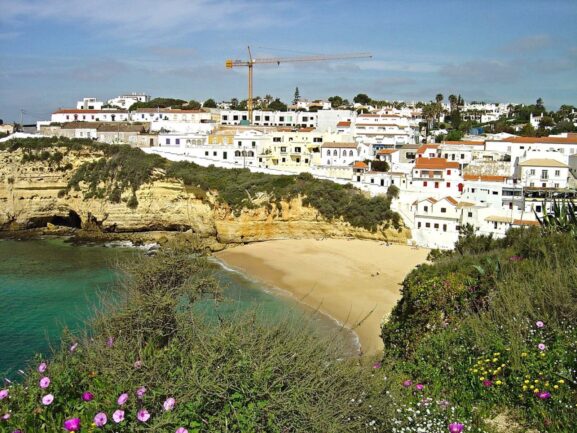
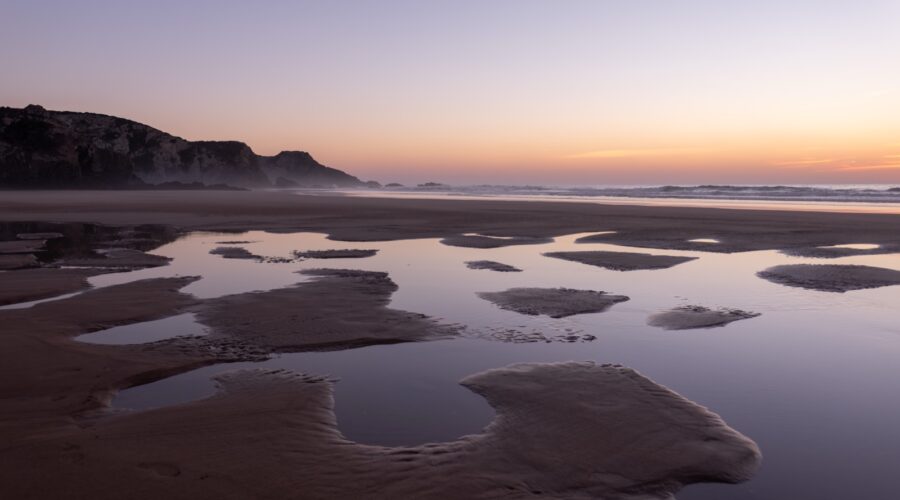
The route keeps the coastline in view for long stretches. Expect cliffs, coves, seabirds, sandy tracks, and sections where progress is slower than the distance alone suggests. Choose this route if walking beside the Atlantic is the main reason for your trip.
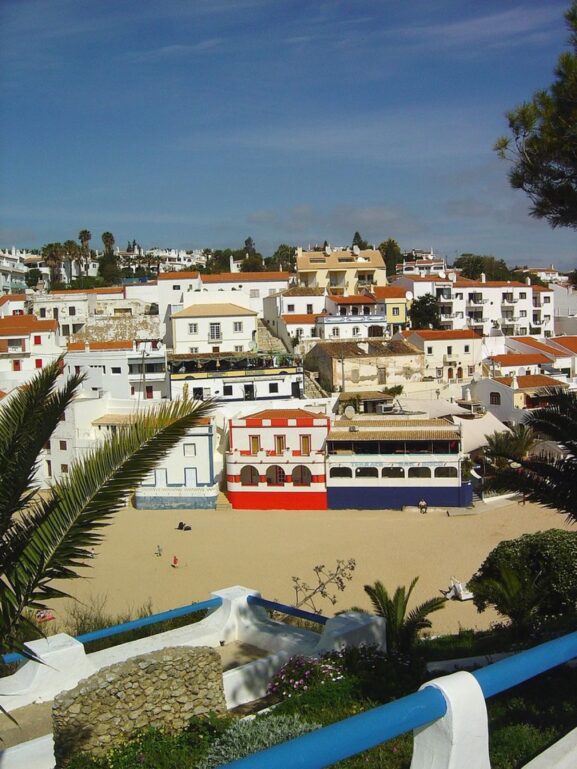
Around Odeceixe, the route crosses from Alentejo into the Algarve near the mouth of the River Seixe. The terrain includes a river valley, coastal paths, and access points near the settlement and beach.
Key practical points:
- Water access varies, so confirm refill points before each stage and carry enough for the conditions
- Sandy sections are slower and more tiring than firm ground
- Waymarks may be difficult to spot, so carry an offline map or downloaded GPS track
- Check official notices for temporary closures, erosion, fire risk, and weather warnings
The Classic Rota Vicentina: What to Expect
The Classic route follows a mainly inland line through villages, cork forests, farmland, and river valleys. It offers less continuous exposure to Atlantic wind, although shade and surface conditions vary between stages.
The terrain generally includes more firm tracks and lanes than the Fishermen’s Trail. This can make the walking less technical, but some stages require sustained distance. Confirm water access, public transport, and the start and end points before committing to a section.
The route passes through the municipalities of Aljezur and Odemira, where walkers can select inland stages through hills, river valleys, and settlements without committing to the entire route.
Key practical points:
- The route is waymarked, but an offline map or GPS track remains a sensible backup
- Stage lengths and access to facilities vary, so check each section separately
- The inland route is generally less exposed to coastal wind
- Use official route information to judge whether a stage matches your fitness and available daylight
Which One to Choose
Choose the Fishermen’s Trail if:
- Coastal terrain is your priority
- You have experience on rough, sandy, or exposed paths
- You are comfortable carrying water and planning around limited public facilities
- You can adjust your plans when wind, heat, rain, or erosion affects a section
Choose the Classic Rota Vicentina if:
- You prefer inland tracks, farmland, forests, and rural settlements
- You are prepared for sustained walking on longer stages
- You want less continuous exposure to Atlantic wind
- You are less comfortable on narrow clifftop paths
Walk sections of both if:
- You want to compare coastal and inland terrain without committing to either complete route
- You can build an itinerary around confirmed access points and transport connections
Practical Logistics
- Season: Spring and autumn generally avoid the strongest summer heat. Check the local forecast, fire restrictions, and trail notices before walking.
- Maps and tracks: Use the official Rota Vicentina stage guides and download the relevant GPX files before setting out. Mobile coverage can vary along both routes.
- Route conditions: Coastal erosion, wildfire controls, maintenance, and severe weather can affect access. Check official notices for the stage you intend to walk.
- Getting there: Choose an access town for the specific stage rather than treating Lagos or Aljezur as bases for the entire network. Check current public transport timetables before finalising the route.
The decision depends on the walk you want. Choose the Fishermen’s Trail for coastal terrain, sand, and exposed paths. Choose the Classic route for inland tracks, rural landscapes, and less continuous exposure to Atlantic weather. Combine selected stages if you want both experiences and can confirm the connections between them.