The Algarve’s Hidden Thermal Springs: Where the Earth Heals Itself
Follow the winding road from Monchique toward the mountains, past the last cork oak forest, and you’ll find it. Not on any app. Not marked on Google Maps. Just a small sign, a dirt track, and a place where the earth itself is warm.
The hot springs of the Algarve are not famous. They’re not spa resorts. They’re not Instagrammed into oblivion. They’re just there — steaming in the winter cold, waiting for anyone who knows to look.
This is the Monchique thermal complex. And it’s one of the best free things you can do in the Algarve.
The Geology Behind It
The Algarve sits on a tectonic plate boundary. Deep beneath the limestone and shale, there’s residual heat from volcanic activity millions of years ago. Water seeps down through cracks in the rock, heats up, dissolves minerals, and rises back to the surface.
The Monchique hot springs emerge at 33°C — that’s warm, but not scalding. It’s the temperature of a comfortable bath. And it emerges from a fault line in the Sierra de Monchique, the mountain range that forms the backbone of the region.
What makes these springs special is their mineral content. Calcium, magnesium, sulfate — the same elements you’d find in a high-end spa. The Portuguese have been coming here for centuries to soak their aching joints.
They still do. And so can you.
Finding the Springs
The main complex is officially called Termas de Monchique and is signposted from the town center. Here’s what to expect:
Location: About 4 km from Monchique town, up a winding mountain road.
GPS: 37.3207° N, 8.5603° W
Access: Free. The main complex has changing rooms, showers, and two pools.
Parking: Free dirt car park adjacent to the springs.
There’s also an informal, more remote spring about 2 km further up the mountain. Locals call it Covão da Ribeira. It’s harder to find and has no facilities — but it’s more atmospheric.
What to Expect at Termas de Monchique
The main complex is simple. Two concrete pools, one slightly warmer than the other. Locker rooms with cold-water showers. A covered seating area for when you need to warm up.
The water comes from two boreholes and fills the pools continuously. It’s clean. It’s mineral-rich. It smells faintly of sulfur (the signature of geothermal water everywhere).
The experience:
- You arrive. Maybe 10 other people on a busy weekend, fewer on a Tuesday morning in March.
- You change in the basic facilities.
- You lower yourself into the pool. The heat penetrates immediately.
- You sit. The mountains rise around you. Birds call from the eucalyptus trees.
- You stay for 20 minutes. Then 30. Then you lose track of time.
There’s no music. No bar. No entertainment. Just water and warmth and silence.
The Remote Spring (Covão da Ribeira)
For something more adventurous, continue past the main complex on the dirt track for another 2 km. You’ll find a small concrete dam where the hot water emerges from the rock face and pools before flowing down the mountain.
This is wild bathing. No facilities. No rules.
How to find it: After passing the main complex, continue on the main dirt road (not the one that leads to Fóia). After 2 km, look for a small concrete structure on your left. Park on the wide shoulder. Walk down to the water.
The experience:
- Steaming water emerging from a rock face into a natural pool
- Surrounded by eucalyptus and cork oak
- No one around, especially in March
- Cold water from the stream mixes with the hot spring, creating your ideal temperature
Safety note: The rocks are slippery. Don’t climb on the wet surfaces. The hot water emerges at 33°C — warm, not dangerous, but don’t stay in too long without cooling down.
Why March Is the Perfect Time
The thermal springs are appealing year-round, but March has particular advantages:
- Fewer visitors. Easter week brings a spike, but most of March is quiet.
- Temperature contrast. The air is cool (12-16°C). The water is warm (33°C). The difference feels amazing.
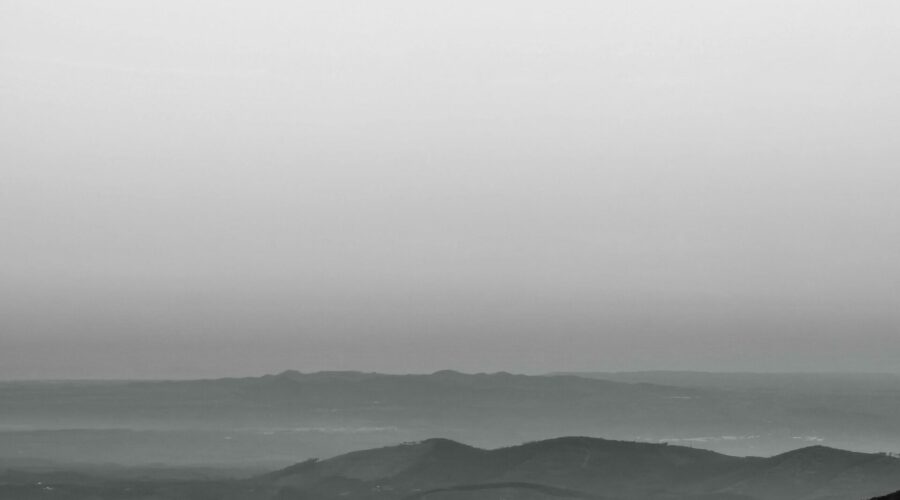
- Landscape beauty. The Monchique mountains are green in March. Wildflowers bloom along the road. The scenery is at its best.
- Trail potential. Combine the springs with a hike. The route from Monchique to the springs and back is 8 km round trip. The hot soak afterward is earned.
Practical Information
What to Bring
- Swimsuit: Essential. There’s no nudity here (it’s a family location), so bring appropriate attire.
- Towel: The changing rooms have basic hooks, but bring your own.
- Water shoes: The pool floors are concrete, sometimes slippery. Water shoes help.
- Warm layers: You’ll be warm in the pool, but cold when you get out. Bring a jacket or robe for afterwards.
- Water bottle: Stay hydrated. The heat is dehydrating.
Getting There
- By car: The roads are good but winding. From Lagos, it’s about 35 minutes. From Faro, about an hour.
- By public transport: No direct bus. You’d need to get to Monchique by bus (from Lagos or Faro) and then either taxi or walk the 4 km.
When to Go
- Best: Weekday mornings, especially Tuesday-Thursday
- Avoid: Easter weekend, Portuguese national holidays
- Hours: The springs are open 24/7. The changing rooms are locked at night, but you can access the pools anytime.
The Health Benefits
The Monchique thermal water has been analyzed by the Portuguese Geological Survey. Key minerals:
- Calcium: Good for bones and teeth
- Magnesium: Supports muscle and nerve function
- Sulfate: Associated with skin health
- Silica: Traditional use for skin and hair
There’s no medical evidence that the springs cure anything, but the warmth, the minerals, and the setting combine into something that feels therapeutic. After a week of hiking the Rota Vicentina, your knees will thank you.
Beyond Monchique: Other Thermal Spots
The Monchique springs are the most accessible, but they’re not the only ones:
Minas de São Domingos (Mértola)
An abandoned mine in the interior Alentejo, about 90 minutes from the Algarve. The water emerges from old mine workings at 28°C. Less developed, more atmospheric.
San Miguel (Castro Marim)
A small thermal spa in the eastern Algarve. Warmer than Monchique (38°C), but more commercialized. About 30 minutes from Tavira.
The Verdict
The thermal springs of Monchique aren’t a destination in the traditional sense. There’s no beach. No views. No landmarks. Just warm water coming from the ground.
But that’s exactly why they matter. They’re a reminder that the Algarve is more than a resort coastline. There’s a mountainous interior where the earth is still active. Where water rises from deep in the crust. Where you can soak in the same minerals that Romans used two thousand years ago.
Go early. Stay long. Let the heat work.
It’s one of the few free luxuries left in the Algarve.